Public Health Risk of Escherichia coli as A Foodborne Pathogen in Meat
DOI:
https://doi.org/10.20956/hajas.v8i2.52224Abstract
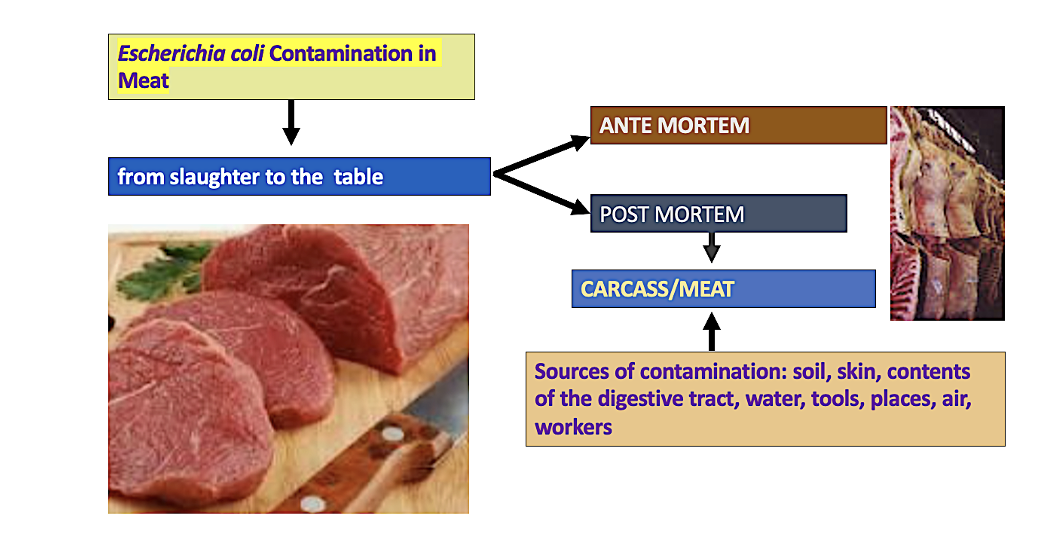
Foodborne pathogens, widely distributed in nature, especially in animal products, are recognized as significant public health risks in both developed and developing countries. Escherichia coli (E. coli) and other coliform bacteria are major foodborne pathogens. The primary sources of contamination for these microorganisms include poor hygiene, contaminated wastewater, and food products such as meat, cereals, and vegetables. High levels of coliform bacteria and E. coli indicate inadequate hygiene and fecal contamination of food. Despite this, foodborne diseases remain a significant global problem. A coordinated approach among all countries and relevant international organizations is essential for detecting and controlling foodborne issues that threaten human health and international trade. Although the biology, epidemiology, and analysis are complex, most foodborne diseases are preventable. It is crucial for public health that consumers and food producers adhere to internationally accepted safety principles. This review synthesizes recent evidence on the prevalence of E. coli contamination in meat and meat products, its pathogenic characteristics, antimicrobial resistance, and public health implications.
Keywords: Escherichia coli; food safety; foodborne disease; meat; public health
Downloads
Published
Issue
Section
License
Copyright (c) 2026 E.S.C. Cruz, R. Malaka, N. Naharia, S.N. Waqiah, Y.A.E. Mohammed

This work is licensed under a Creative Commons Attribution 4.0 International License.