
Changing Livelihood Strategies in a Conservation Area: Fishers, Farmers, and Sand Mining in Merauke, Indonesia
DOI:
https://doi.org/10.24259/fs.v6i1.13868Keywords:
Socio-economic, national park, coastal area, livelihoods, PapuaAbstract
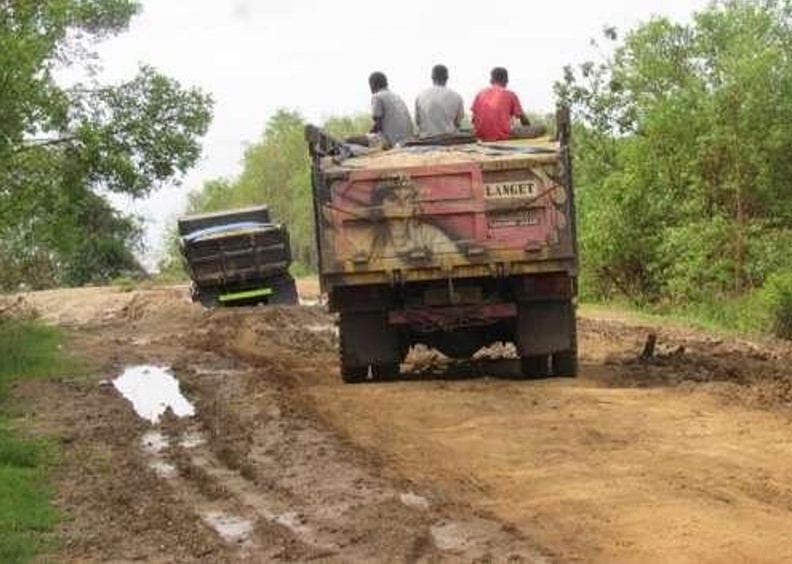
The Wasur National Park (WNP) includes the Ramsar Site, an important area for global conservation efforts in wetlands. This coastal area also supports the socio-economic activities of local and non-local communities who are highly dependent on natural resources. Conservation efforts in the area are sometimes at odds with the sustainability of local livelihoods and poverty alleviation initiatives for the community. The aim of this study is to describe the sources of community livelihoods in the Wasur Naukenjerai National Park area, specifically around agricultural, fisheries, and sand mining dynamics. Using a qualitative research design, this study uses a field survey to collect primary data sourced from key informants with in-depth interviews from 15 community respondents in three sample villages on the coast, and seven key informants from relevant government agencies. The results show that the main livelihood source for people in the protected area are as fishermen and farmers. Sand mining has emerged as an alternative source of livelihood but has caused degradation of beaches and land in the Wasur National Park area. In addition, there are activities of buying and selling agricultural land in protected areas. The protection of the rights of the community in the area and government support programs have been unable to guarantee the welfare of the community. For this reason, it is necessary to strengthen and further support local institutions livelihoods to ensure the sustainability of Wasur National Park area management.
References
Adams, W. M. (2004). Biodiversity Conservation and the Eradication of Poverty. Science, 306(5699), 1146–1149. https://doi.org/10.1126/science.1097920
Adams, W. M., & Hutton, J. (2007). People, parks and poverty: political ecology and biodiversity conservation. Conservation and society, 5(2), 147-183. https://www.jstor.org/stable/26392879
Asriyani, H., & Verheijen, B. (2020). Protecting the Mbau Komodo in Riung, Flores: Local adat, national conservation and ecotourism developments. Forest and Society, 4(1), 20–34. https://doi.org/10.24259/fs.v4i1.7465
Babigumira, R., Angelsen, A., Buis, M., Bauch, S., Sunderland, T., & Wunder, S. (2014). Forest clearing in rural livelihoods: household-level global-comparative evidence. World Development, 64(S1), S67-S79. https://doi.org/10.1016/j.worlddev.2014.03.002
BPS. (2021). Distrik Naukenjerai Dalam Angka 2021. Merauke: Badan Pusat Statistik.
Batiran, K., Sirimorok, N., Verheijen, B., Fisher, M. R., & Sahide, M. A. K. (2021). Creating Commons: Reflections on Creating Natural Resource Management Regimes in South Sulawesi, Indonesia. Forest and Society, 5(2), 619-630. https://doi.org/10.24259/fs.v5i2.14768
West, P., Igoe, J., & Brockington, D. (2006). Parks and peoples: the social impact of protected areas. Annual Review of Anthropology, 35, 251-277. https://doi.org/10.1146/annurev.anthro.35.081705.123308
Cernea, M. M., & Schmidt-Soltau, K. (2006). Poverty risks and national parks: Policy issues in conservation and resettlement. World development, 34(10), 1808-1830. https://doi.org/10.1016/j.worlddev.2006.02.008
Clements, T., Suon, S., Wilkie, D. S., & Milner-Gulland, E. J. (2014). Impacts of Protected Areas on Local Livelihoods in Cambodia. World Development, 64(S1), S125–S134. https://doi.org/10.1016/j.worlddev.2014.03.008
Cofré-Bravo, G., Klerkx, L., & Engler, A. (2019). Combinations of bonding, bridging, and linking social capital for farm innovation: How farmers configure different support networks. Journal of Rural Studies, 69, 53-64. https://doi.org/10.1016/j.jrurstud.2019.04.004
Creswell, J. W. (2009). Research Design Qualitative, Quantitative, and Mixed Methods Approaches (Third edition). Sage Publications.
Domingo, D., Palka, G., & Hersperger, A. M. (2021). Effect of zoning plans on urban land-use change: A multi-scenario simulation for supporting sustainable urban growth. Sustainable Cities and Society, 69, 102833. https://doi.org/10.1016/j.scs.2021.102833
Feeley, K. J., & Terborgh, J. W. (2005). The Effects of Herbivore Density on Soil Nutriensts and Tree Growth in Tropical Forest Fragments. Ecology, 86(1), 116–124. https://doi.org/10.1890/03-0657
Fatchiya, A., Amanah, S., & Kusumastuti, Y. I. (2016). Penerapan Inovasi Teknologi Pertanian dan Hubungannya dengan Ketahanan Pangan Rumah Tangga Petani. Jurnal Penyuluhan, 12(2), 190-197. https://doi.org/10.25015/penyuluhan.v12i2.12988
Ferro-Azcona, H., Espinoza-Tenorio, A., Calderón-Contreras, R., Ramenzoni, V. C., País, M. D. L. M. G., & Mesa-Jurado, M. A. (2019). Adaptive capacity and social-ecological resilience of coastal areas: A systematic review. Ocean & Coastal Management, 173, 36-51. https://doi.org/10.1016/j.ocecoaman.2019.01.005
Fisher, M. R., Verheijen, B., & Sahide, M. A. K. (2020). Community and conservation in Wallacea: Making the case for the region, a methodological framework, and research trends. Forest and Society, 4(1), 1-19. https://doi.org/10.24259/fs.v4i1.9569
Folke, C., Carpenter, S., Elmqvist, T., Gunderson, L., Holling, C. S., & Walker, B. (2002). Resilience and Sustainable Development: Building Adaptive Capacity in A World of Transformation. Journal of the Human Environment, 31(5), 437–440. https://dx.doi.org/10.1579/0044-7447-31.5.437
Haddad, N. M., Brudvig, L. A., Clobert, J., Davies, K. F., Gonzalez, A., Holt, R. D., ... & Townshend, J. R. (2015). Habitat fragmentation and its lasting impact on Earth’s ecosystems. Science Advances, 1(2), e1500052. https://doi.org/10.1126/sciadv.1500052
Herrawan, H., Sirimorok, N., Nursaputra, M., Mas’ud, E. I., Faturachmat, F., Sadapotto, A., Supratman, S., Yusran, Y., & Sahide, M. A. K. (2022). Commoning the State Forest: Crafting Commons through an Indonesian Social Forestry Program. Forest and Society, 6(1), 20-39. https://doi.org/10.24259/fs.v6i1.10680
Indarti, I. (2015). Model Peningkatan Kesejahteraan Masyarakat Pesisir Melalui Penguatan Kelembagaan Koperasi Nelayan Berkelanjutan. Jurnal Dinamika EKonomi Dan Bisnis, 12(1), 63–75.
Islam, M. T., & Nursey-Bray, M. (2017). Adaptation to climate change in agriculture in Bangladesh: The role of formal institutions. Journal of Environmental Management, 200, 347–358. https://doi.org/10.1016/j.jenvman.2017.05.092
Jagger, P., Luckert, M. M. K., Duchelle, A. E., Lund, J. F., & Sunderlin, W. D. (2014). Tenure and Forest Income: Observations from a Global Study on Forests and Poverty. World Development, 64(S1), S43–S55. https://doi.org/10.1016/j.worlddev.2014.03.004
Khuman, O. N., & Singh, Y. J. (2019). Fish Farmers’ Perceived Constraints and Suggestions towards the Adoption of Scientific Fish Farming of Pengba (Osteobrama belangeri) in the Valleys of Manipur, India. International Journal of Current Microbiology and Applied Sciences, 8(02), 2489–2494. https://doi.org/10.20546/ijcmas.2019.802.289
Kosmaryandi, N. (2012). Taman Nasional Wasur, Mengelola Kawasan Konservasi di Wilayah Masyarakat Adat. Media Konservasi, 17(1), 6-15.
Kosmaryandi, N., Basuni, S., Prasetyo, L. B., & Adiwibowo, S. (2012). New idea for national park zoning system: A synthesis between biodiversity conservation and customary community’s tradition. Jurnal Manajemen Hutan Tropika, 18(2), 69–77. https://doi.org/10.7226/jtfm.18.2.69
Kwatrina, R. T., & Kuswanda, W. (2011). Indikator Ekologis Sebagai Dasar Penentuan Sistem Zonasi Taman Nasional Batang Gadis. Jurnal Penelitian Hutan dan Konservasi Alam, 8(4), 311-325. https://doi.org/10.20886/jphka.2011.8.4.311-325
Larekeng, S. H., Nursaputra, M., Nasri, N., Hamzah, A. S., Mustari, A. S., Arif, A. R., ... & Ardiansyah, A. (2022). A Diversity Index Model based on Spatial Analysis to Estimate High Conservation Value in a Mining Area. Forest and Society, 6(1), 142-156. https://doi.org/10.24259/fs.v6i1.12919
Li, C., Yu, J., Wu, W., Hou, R., Yang, Z., Owens, J. R., … Qi, D. (2021). Evaluating the efficacy of zoning designations for national park management. Global Ecology and Conservation, 27, e01562. https://doi.org/10.1016/j.gecco.2021.e01562
Fatem, S. M., Syuf, Y., Baru, J., Marwa, J., Runtuboi, Y. Y., Tawer, V., ... & Runtuboi, F. R. (2020). The Sausapor Declaration: Challenges in promoting good governance to protect customary communities and natural resources in Tambrauw district, West Papua. Forest and Society, 4(2), 330-337. https://doi.org/10.24259/fs.v4i2.9346
Magfiroh, A. N., Zairion, Z., & Fahrudin, A. (2005). Strategy For Improving the Effectiveness of Management in The Karimunjawa National Park Conservation Area. Jurnal Ilmu dan Teknologi Kelautan Tropis, 12(2), 367-381. https://doi.org/10.29244/jitkt.v12i2.29262
Maryudi, A., & Fisher, M. R. (2020). The power in the interview: A practical guide for identifying the critical role of actor interests in environment research. Forest and Society, 4(1), 142-150. https://doi.org/10.24259/fs.v4i1.9132
Mendoza, E. N., Ponce, R. G., A. Soria, S. M., & Amoroso, V. B. (2020). Protected Areas’ Latent Functions and Social Consequences: A Case from Mount Hamiguitan, Philippines. Forest and Society, 4(2), 405–418. https://doi.org/10.24259/fs.v4i2.10485
Nikijuluw, V. P. H. (2001). Populasi dan Sosial Ekonomi Masyarakat Pesisir serta Strategi Pemberdayaan Mereka dalam Konteks Pengelolaan Sumberdaya Pesisir Secara Terpadu. IPB.
North, D. C. (1991). Institutions, Institutional Change and Economic Performance (First Edition). Cambridge University Press.
Porter-Bolland, L., Ellis, E. A., Guariguata, M. R., Ruiz-Mallén, I., Negrete-Yankelevich, S., & Reyes-García, V. (2012). Community managed forests and forest protected areas: An assessment of their conservation effectiveness across the tropics. Forest ecology and management, 268, 6-17. https://doi.org/10.1016/j.foreco.2011.05.034
Pratiwi, C. O., & Sudarwanto, A. S. (2016). Revitalisasi Fungsi Kelembagaan Koperasi Nelayan sebagai Badan Hukum untuk Mensejahterakan Nelayan Menuju Perikanan Berkelanjutan. Privat Law, 4(1), 164504.
Rahail, E., Untari, U., Herdjiono, I., Saadah. S., Wahyuni, C., & Dariati, T. (2019). Low-emission strategy through effective planning and public participation in Merauke. IOP Conference Series: Earth and Environmental Science, 235(1), 012070). https://doi.org/10.1088/1755-1315/235/1/012070
Roe, D. (2008). The origins and evolution of the conservation-poverty debate: a review of key literature, events and policy processes. Oryx, 42(4), 491-503. https://doi.org/10.1017/S0030605308002032
Salman, D., Kasim, K., Ahmad, A., & Sirimorok, N. (2021). Combination of bonding, bridging and linking social capital in a livelihood system: Nomadic duck herders amid the covid-19 pandemic in South Sulawesi, Indonesia. Forest and Society, 5(1), 136–158. https://doi.org/10.24259/fs.v5i1.11813
Stokstad, E. (2014). The empty forest. Science, 345(6195), 396–399. https://doi.org/10.1126/science.345.6195.396
Tang, J., Lu, H., Xue, Y., Li, J., Li, G., Mao, Y., ... & Li, D. (2021). Data-driven planning adjustments of the functional zoning of Houhe National Nature Reserve. Global Ecology and Conservation, 29, e01708. https://doi.org/10.1016/j.gecco.2021.e01708
Travers, H., Winney, K., Clements, T., Evans, T., & Milner-Gulland, E. J. (2015). A tale of two villages: An investigation of conservation-driven land tenure reform in a Cambodian Protection Forest. Land Use Policy, 43, 186–196. https://doi.org/10.1016/j.landusepol.2014.11.007
Turner, B. L., Kasperson, R. E., Matsone, P. A., McCarthy, J. J., Corell, R. W., Christensene, L., … Schiller, A. (2003). A framework for vulnerability analysis in sustainability science. Proceedings of the National Academy of Sciences of the United States of America, 100(14), 8074–8079. https://doi.org/10.1073/pnas.1231335100
Turner, N. J., Davidson-Hunt, I. J., & O'flaherty, M. (2003). Living on the edge: ecological and cultural edges as sources of diversity for social—ecological resilience. Human Ecology, 31(3), 439-461. https://doi.org/10.1023/A:1025023906459
Untari, U., Darma, R., Betaubun, P., & Arief, A. A. (2020). Review of the use of mangrove forests in supporting the socio-economic life of fishing communities. IOP Conference Series: Earth and Environmental Science, 575(1), 012042. https://doi.org/10.1088/1755-1315/575/1/012042
Untari, Witdarko, Y., & Jefri, S. (2018). Analysis Of Carbon Emission Level on Merauke Regency Land Cover. E3S Web of Conferences, 73, 08013). https://doi.org/10.1051/e3sconf/20187308013
Watson, J. E. M., Evans, T., Venter, O., Williams, B., Tulloch, A., Stewart, C., … Lindenmayer, D. (2018). The exceptional value of intact forest ecosystems. Nature Ecology & Evolution, 2(4), 599–610. https://doi.org/10.1038/s41559-018-0490-x
Wei, D., Feng, A., & Huang, J. (2020). Analysis of ecological protection effect based on functional zoning and spatial management and control. International Journal of Geoheritage and Parks, 8(3), 166–172. https://doi.org/10.1016/j.ijgeop.2020.06.003
Wood, B. A., Blair, H. T., Gray, D. I., Kemp, P. D., Kenyon, P. R., Morris, S. T., & Sewell, A. M. (2014). Agricultural science in the wild: A social network analysis of farmer knowledge exchange. PloS one, 9(8), e105203. https://doi.org/10.1371/journal.pone.0105203
Felipe-Lucia, M. R., Martín-López, B., Lavorel, S., Berraquero-Díaz, L., Escalera-Reyes, J., & Comín, F. A. (2015). Ecosystem services flows: why stakeholders’ power relationships matter. PloS one, 10(7), e0132232. https://doi.org/10.1371/journal.pone.0132232
Zhuang, H., Xia, W., Zhang, C., Yang, L., Wanghe, K., Chen, J., … Wang, W. (2021). Functional zoning of China’s protected area needs to be optimized for protecting giant panda. Global Ecology and Conservation, 25, e01392. https://doi.org/10.1016/j.gecco.2020.e01392
Additional Files
Published
Issue
Section
Categories
License
Copyright (c) 2022 Forest and Society

This work is licensed under a Creative Commons Attribution 4.0 International License.
This is an open access journal which means that all contents is freely available without charge to the user or his/her institution. Users are allowed to read, download, copy, distribute, print, search, or link to the full texts of the articles in this journal without asking prior permission from the publisher or the author. This is in accordance with the BOAI definition of open access.
Submission of an article implies that the work described has not been published previously (except in the form of an abstract or as part of a published lecture or academic thesis), that it is not under consideration for publication elsewhere, that its publication is approved by all authors and tacitly or explicitly by the responsible authorities where the work was carried out, and that, if accepted, will not be published elsewhere in the same form, in English or in any other language, without the written consent of the Publisher. An article based on a section from a completed graduate dissertation may be published in Forest and Society, but only if this is allowed by author's(s') university rules. The Editors reserve the right to edit or otherwise alter all contributions, but authors will receive proofs for approval before publication.
Forest and Society operates a CC-BY 4.0 © license for journal papers. Copyright remains with the author, but Forest and Society is licensed to publish the paper, and the author agrees to make the article available with the CC-BY 4.0 license. Reproduction as another journal article in whole or in part would be plagiarism. Forest and Society reserves all rights except those granted in this copyright notice

